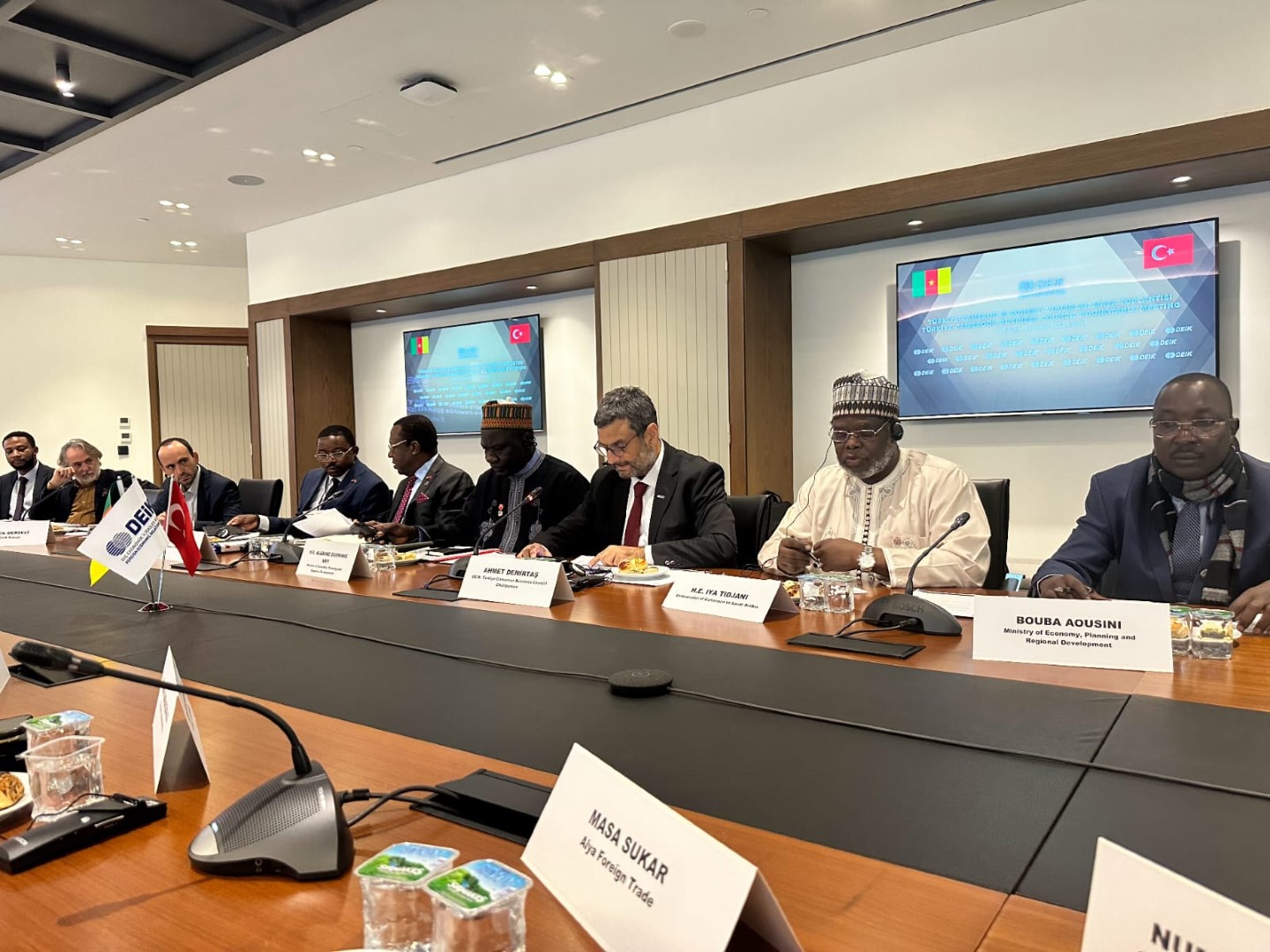
The Private Sector as a Strategic Partner in Economic Diplomacy
The Private Sector as a Strategic Partner in Economic Diplomacy
Economic diplomacy is traditionally framed as a function of the state. Governments negotiate agreements, establish frameworks, and define the strategic direction of external economic relations. Yet in practice, the translation of these frameworks into measurable outcomes is rarely state-driven alone.
Execution lies largely with the private sector.
This distinction is critical. While public institutions create enabling environments, it is private enterprises that mobilize capital, build supply chains, transfer technology, and operationalize trade. Without structured private-sector participation, economic diplomacy remains declarative rather than transformative.
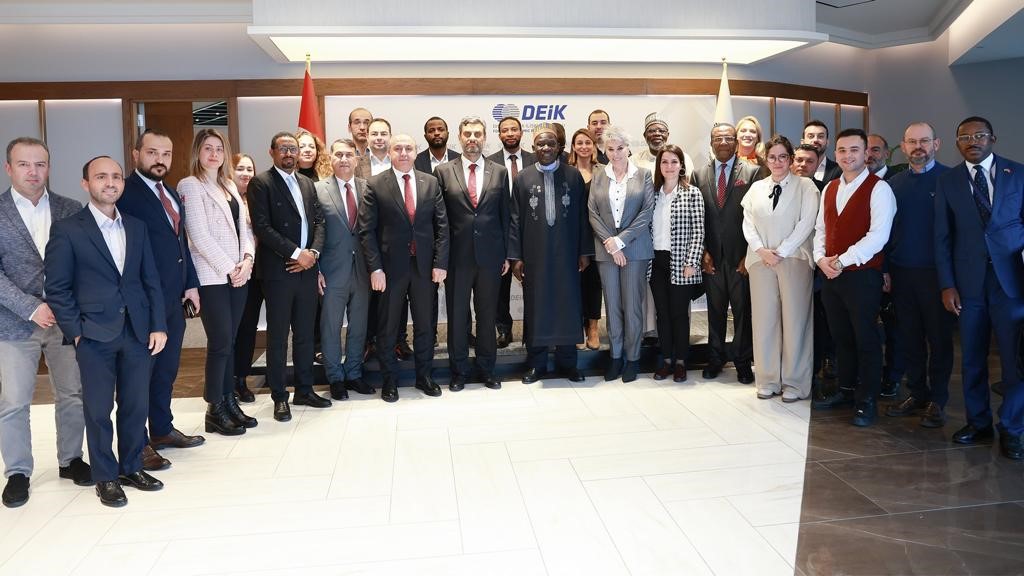
The Limits of State-Led Engagement
Government-led engagement plays an essential role in reducing political risk, establishing bilateral and multilateral frameworks, and signaling national priorities. However, agreements, memoranda, and policy dialogues do not in themselves generate economic value.
Implementation requires actors capable of:
- Responding to market signals
- Structuring commercially viable partnerships
- Absorbing and deploying capital
- Navigating operational and regulatory complexities
In the absence of such actors, even well-articulated economic cooperation frameworks struggle to translate into sustained trade flows or investment outcomes.
The Catalytic Role of the Private Sector
Private-sector actors often serve as the first point of opportunity identification in cross-border engagement. Through market exposure, industry knowledge, and commercial networks, they are positioned to detect viable linkages between supply and demand across geographies.
Beyond opportunity identification, the private sector plays a catalytic role in activating relationships. Initial engagement, when structured effectively, creates the basis for deeper institutional interaction. Commercial interest frequently precedes formal alignment.
More importantly, private enterprises provide execution capacity. They:
- Establish distribution channels
- Introduce new products and technologies
- Adapt to local regulatory environments
- Scale operations over time
It is this capacity that transforms economic diplomacy from dialogue into economic activity.
Institutions as Bridges Between Policy and Execution
Between public intent and private execution lies a critical layer; institutions that structure engagement.
Business councils, investment promotion agencies, regulatory bodies, and diplomatic missions collectively perform a bridging function. They translate policy frameworks into actionable opportunities, facilitate trust between unfamiliar partners, and maintain continuity across engagement cycles.
These institutions also play a risk-mitigation role. By providing credibility, coordinating stakeholders, and clarifying regulatory pathways, they reduce the uncertainty that often constrains cross-border investment and trade.
Where such institutional mechanisms are weak or absent, engagement tends to remain fragmented. Where they are structured and sustained, commercial relationships mature more predictably.
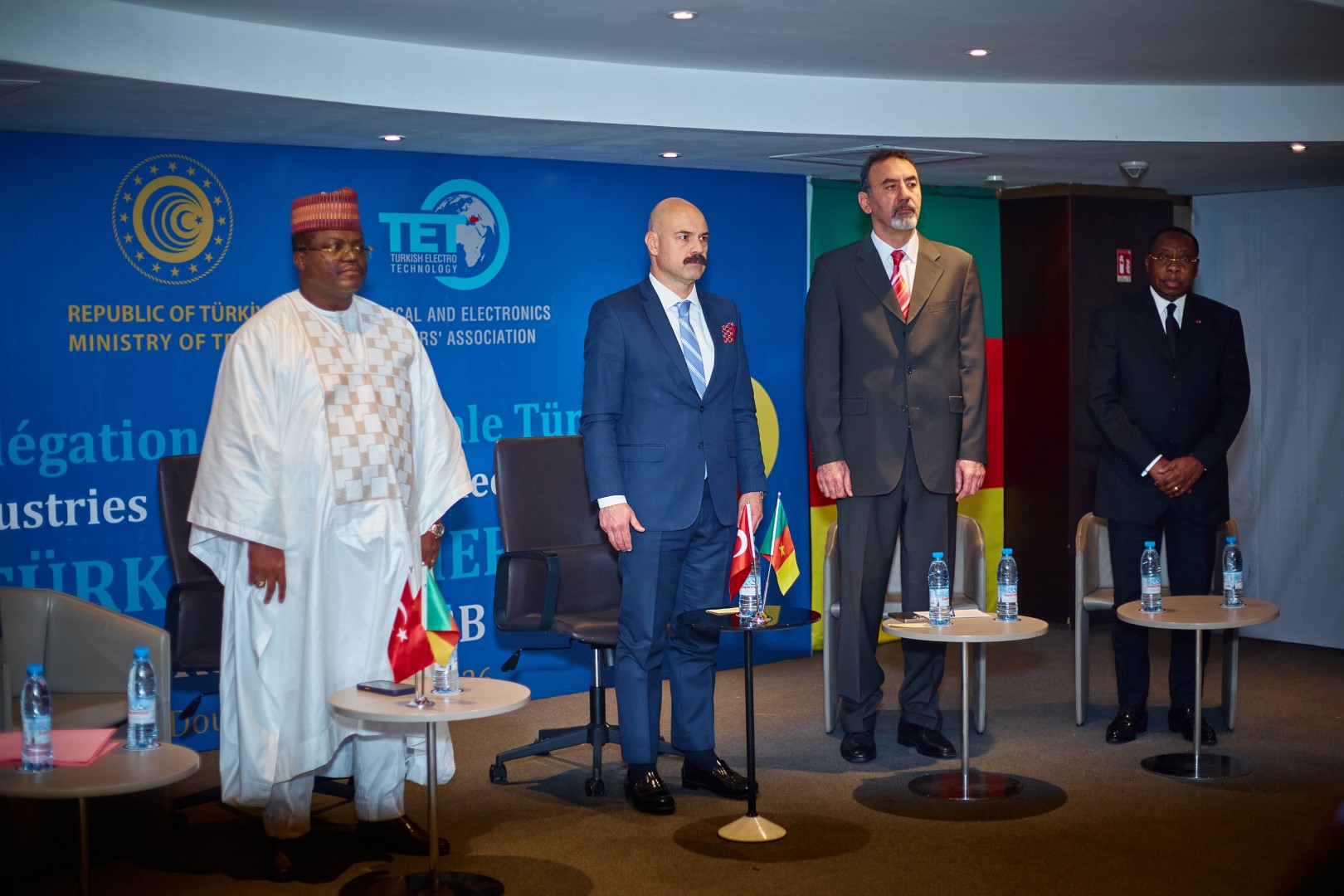
Multi-Level Alignment in Economic Diplomacy
Effective economic diplomacy operates across multiple levels simultaneously.
At the national level, governments define strategic priorities, including sector focus, diversification objectives, and industrial policy direction.
At the sub-national level, municipalities and regional authorities increasingly articulate project pipelines, particularly in infrastructure, energy, and industrial development. These projects often rely on structured partnership models such as public-private partnerships and build-operate-transfer arrangements.
At the bilateral level, coordinated engagement between countries creates pathways for sector-specific collaboration, market entry, and investment facilitation.
At the multilateral level, platforms such as the World Trade Organization and the African Continental Free Trade Area framework reinforce standards, promote integration, and shape the broader rules governing trade.
The effectiveness of economic diplomacy depends on the alignment of these layers. Fragmentation across levels leads to inefficiencies. Coherence accelerates outcomes.
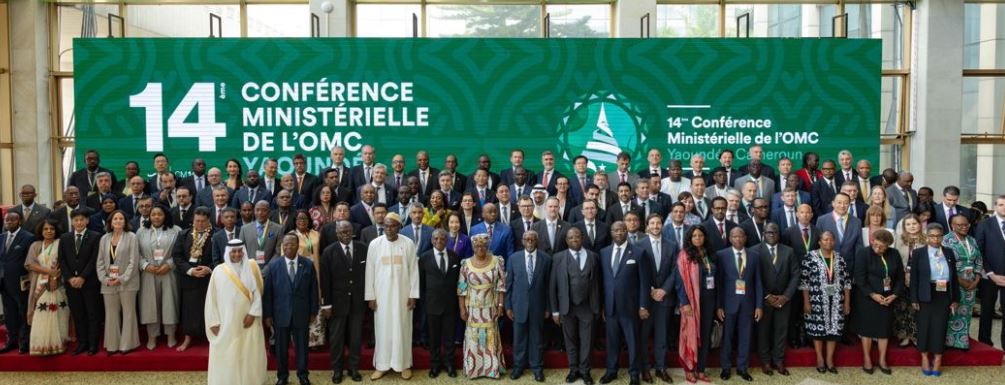
Multilateral Momentum and Private-Sector Centrality
Recent high-level multilateral engagements have further reinforced a consistent theme across global trade discussions; the growing recognition that private-sector participation is central to the effectiveness of economic diplomacy.
As countries convene to advance trade cooperation, diversify partnerships, and explore sustainable growth pathways, the emphasis is increasingly placed on implementation capacity. Discussions around value addition, green transformation, supply chain resilience, and inclusive growth all converge on one practical reality: outcomes depend on actors capable of executing at scale.
For countries positioning themselves within global and regional trade systems, such moments serve not only as platforms for dialogue, but as signals of opportunity. The presence of diverse economies, sectors, and institutions within a single convening environment underscores the importance of readiness, coordination, and the ability to translate engagement into structured partnerships.
In this context, the role of the private sector becomes even more pronounced. It is through private initiative, supported by public frameworks and institutional coordination, that multilateral intent is converted into tangible economic activity.
Implications for Economic Transformation
For economies such as Cameroon, which are pursuing diversification, industrial upgrading, and deeper integration into regional and global markets, the role of the private sector in economic diplomacy becomes particularly significant.
First, private-sector participation expands the range of available partnerships, introducing competitive dynamics that can improve pricing, quality, and efficiency.
Second, engagement with diverse international partners facilitates exposure to new technologies, production methods, and standards, supporting gradual capacity development.
Third, structured collaboration between public institutions and private actors enhances the viability of large-scale projects, particularly in sectors that require long-term investment and technical expertise.
Within the context of regional integration under the AfCFTA, these dynamics become even more important. As markets open and competition intensifies, domestic firms must adapt to higher standards and greater efficiency demands. Strategic engagement with global partners can support this transition.
From Participation to Partnership
A critical shift is required in how the private sector is positioned within economic diplomacy. It should not be viewed merely as a beneficiary of policy outcomes, but as an active partner in shaping and executing economic strategy.
This requires:
- Early involvement of private actors in trade and investment discussions
- Structured platforms for sustained engagement
- Clear alignment between public policy objectives and commercial realities
When private-sector participation is integrated at the design stage rather than introduced at the implementation stage, outcomes tend to be more coherent and sustainable.
Conclusion
Economic diplomacy achieves its intended impact when public strategy and private execution are aligned within a coherent institutional framework.
Governments define direction. Institutions structure engagement. The private sector delivers outcomes.
In an increasingly interconnected and competitive global economy, the ability of countries to translate multilateral dialogue and bilateral cooperation into measurable economic results will depend on how effectively this alignment is achieved.
Recognizing the private sector as a strategic partner is therefore not optional. It is foundational to building resilient, competitive, and forward-looking economies.
Editor’s Note
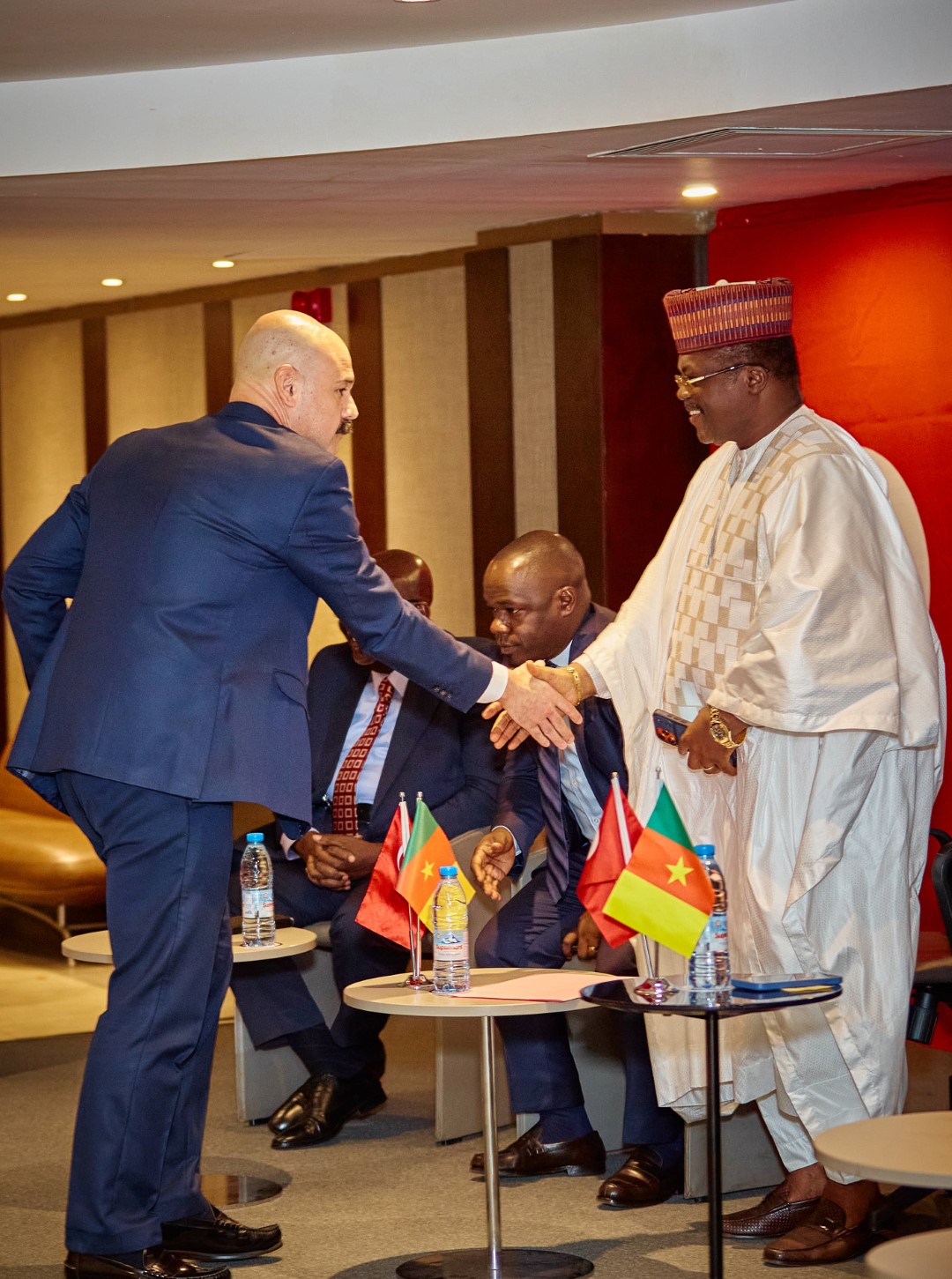
This article forms part of the monthly thought leadership series published by the Cameroon–Türkiye Business Council, dedicated to advancing structured dialogue on trade, investment, and economic cooperation. The reflections presented here draw from sustained engagement in bilateral economic facilitation and institutional coordination within evolving regional and global trade frameworks.
Prepared under the direction of Etonde Martin-Ndoping, Executive Director, Cameroon–Türkiye Business Council.