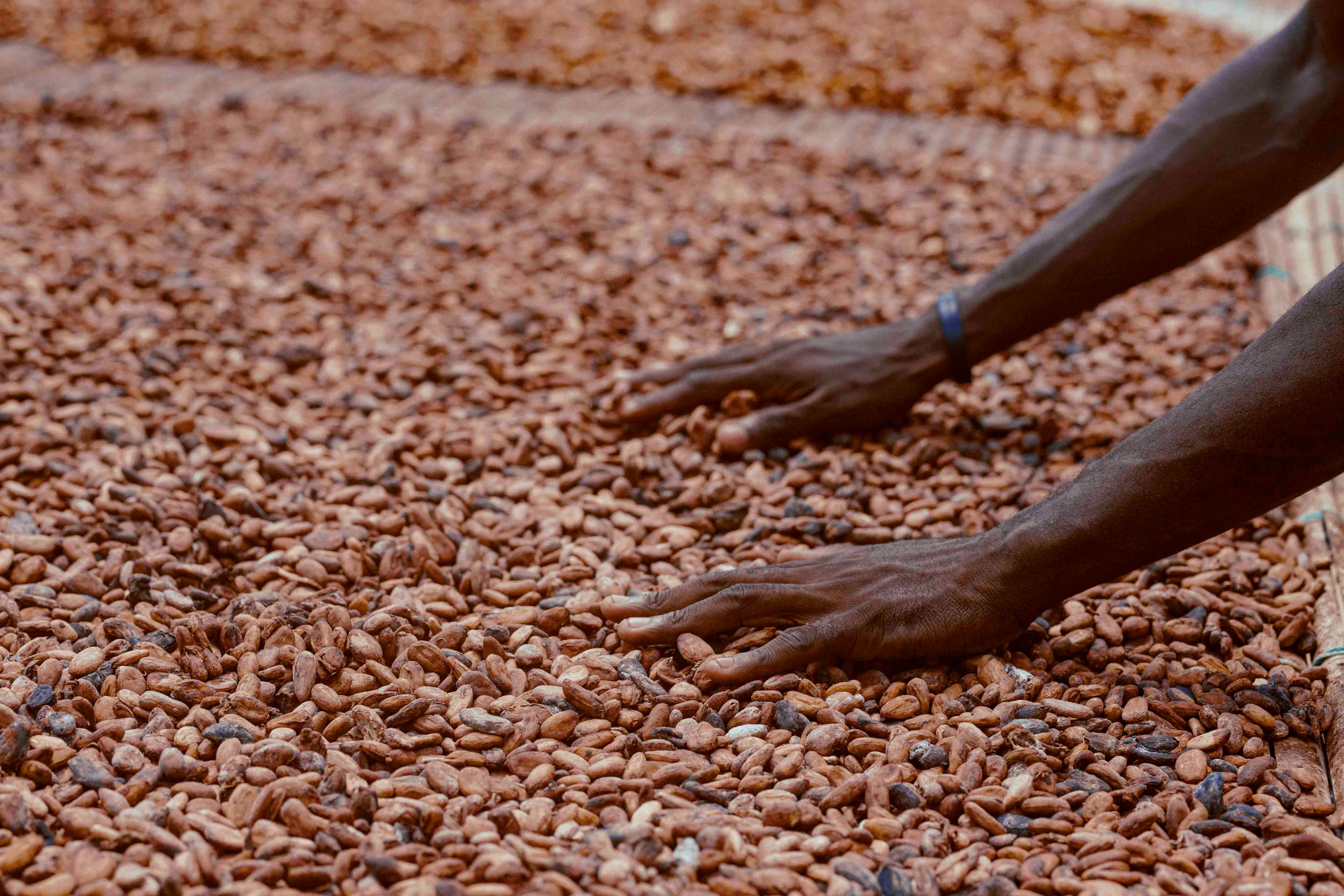
From Commodity to Competitive Advantage: Building an Export Economy
Editor’s Note
This article forms part of the monthly thought leadership series published by the Cameroon–Türkiye Business Council, dedicated to advancing thoughtful dialogue around trade, investment, economic cooperation and institutional development. The reflections shared here are informed by practical engagement in Cameroon across business, bilateral trade facilitation, investment and economic diplomacy.
Cameroon produces things the world wants.
That is an economic advantage that should never be underestimated.
Our cocoa has an established place in international markets. Our Arabica and Robusta coffees possess qualities sought by different categories of buyers. Beyond these two commodities, our geography, climate and agricultural diversity give us considerable productive potential.
But the deeper one goes into the mechanics of commodity trade, the clearer an important distinction becomes: Producing something the world wants and building an economy capable of supplying that demand consistently are not quite the same thing.
Between the farm and the international buyer sits an entire system.
Increasingly, we believe that system is where the real conversation about export competitiveness should take place.
Production Is Only the Beginning
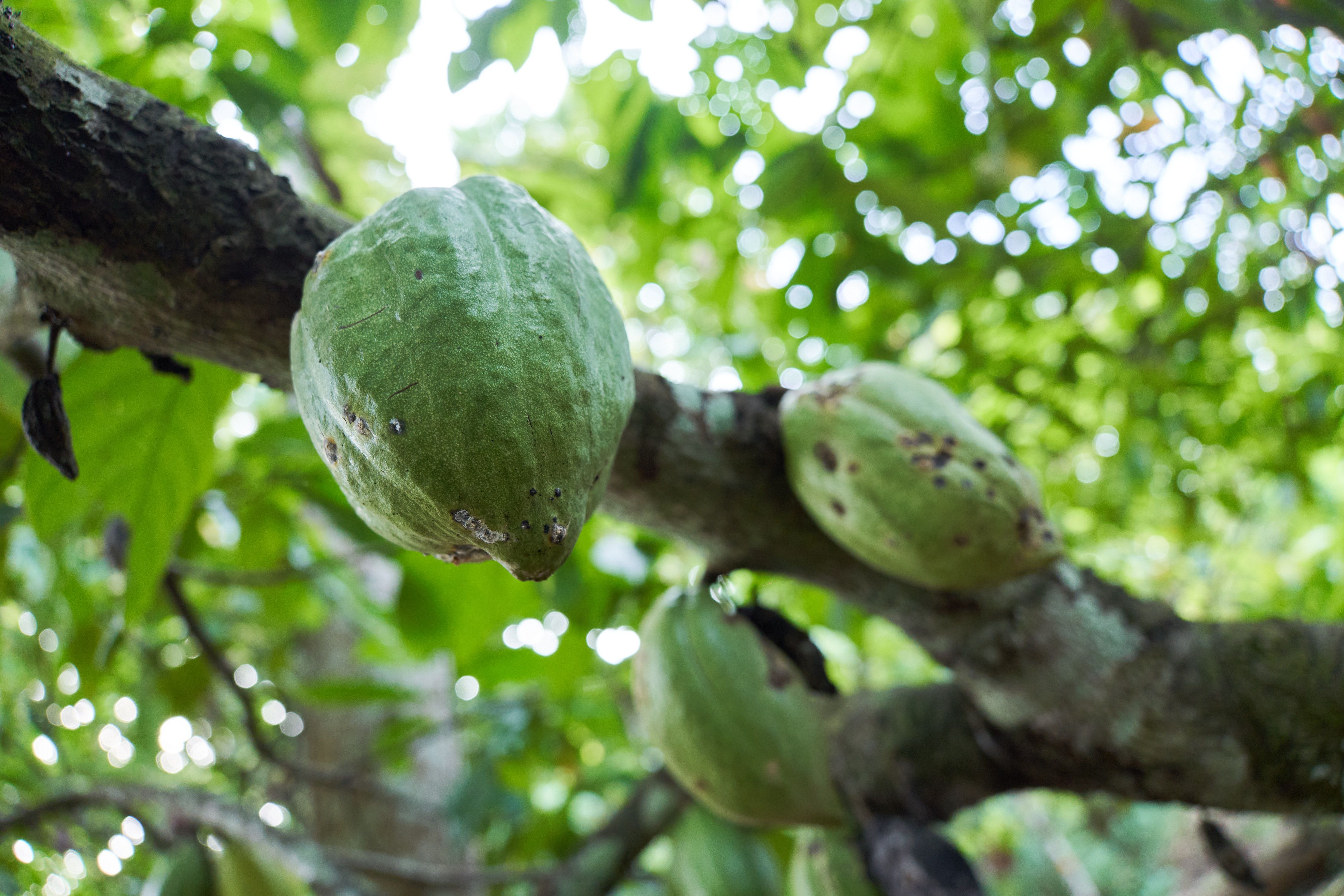
When we speak about increasing exports, the natural starting point is often production.
How much do we produce? How do we increase yields? How do we bring more farmers into production?
These questions matter enormously. But production alone does not guarantee an export.
An international buyer is not simply looking for coffee or cocoa. The buyer is looking for a particular volume, quality, specification, price and delivery schedule.
That means the product must be available, but it must also be commercially ready.
It has to be aggregated. Quality has to be maintained. Financing has to be available at the right moment. Storage must protect the product. Documentation must be correct. Traceability increasingly has to follow the product from origin. Logistics must work. And the economics of the transaction must make sense for everyone along the chain.
Recent developments in Cameroon's cocoa sector provide a useful illustration. During the 2025/2026 season, changing international supply, demand and price conditions were transmitted rapidly through the domestic market, influencing purchasing behavior, commercialization and export performance.
It is a reminder that physical production and commercially available supply are not always the same thing.
That distinction deserves greater attention when we think about building export capacity.
Preparing Before the Market Arrives
There is a phrase we often use in business: opportunity meets preparation.
In export markets, preparation cannot begin when the purchase order arrives.
By then, many of the most important questions should already have answers.
Where is production located? What volumes are expected? When will they become available? What quality can reasonably be achieved? How will production be aggregated? What financing will be required during the season? Where will the commodity be stored? Which markets are most appropriate for it?
The more visibility an export ecosystem has over these questions, the better positioned it is to respond when demand arrives.
This requires a gradual shift from a largely transactional approach to a more organized one.
Rather than finding a buyer and then beginning the search for supply, we should increasingly develop supply systems capable of responding to buyers.
That may involve stronger producer organizations, professional aggregation, structured relationships between farmers and exporters, better market information, appropriate season financing, improved storage and conditioning facilities, and earlier engagement with international markets.
None of these elements is particularly spectacular on its own.
Together, however, they determine whether an opportunity becomes a transaction and whether a transaction can be repeated often enough to become an industry.
We May Not Control the Market, But We Can Influence Value
Commodity producing countries participate in international markets whose reference prices they do not determine alone. That reality is unlikely to disappear.
The more useful strategic question is therefore not simply how we control price, but: How do we strengthen our position within the market in which that price is formed?
This is where quality becomes important.
So does productivity, aggregation, consistency, origin, traceability, certification, market access, transformation and competition among buyers.
Cameroon's experience already provides encouraging evidence that improved quality and better organized marketing can influence the value ultimately realized by producers. Working around Centers of Excellence, quality premiums, grouped sales and differentiated cocoa demonstrates that products within the same broad commodity category do not necessarily have to produce identical commercial outcomes.
This is an important economic principle.
We may not determine every movement in an international benchmark, but we can become much more deliberate about the value we build around what we sell.
Traceability Can Become an Economic Asset
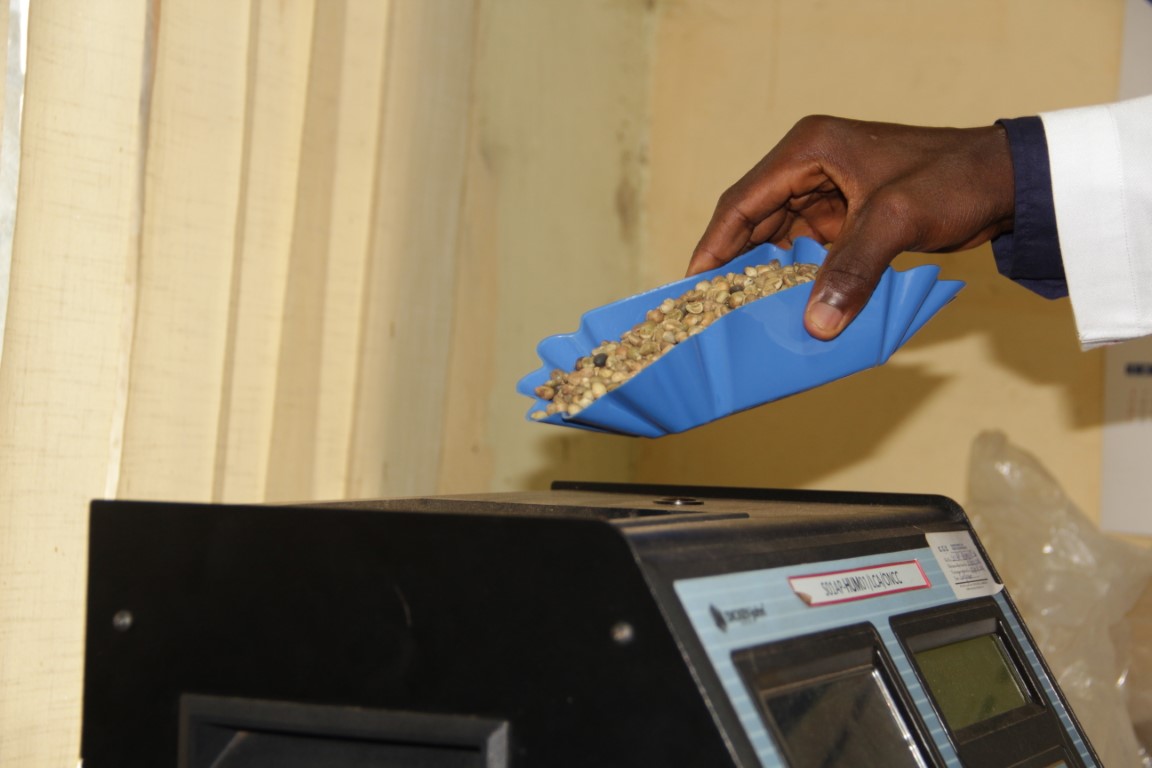
The changing nature of international trade adds another dimension to this conversation.
Markets increasingly want to know not only what they are buying, but where it came from, how it was produced and whether it meets environmental and social requirements.
For producing countries, these requirements create costs and responsibilities, particularly where production is dominated by smallholders. But they also create an opportunity.
Cameroon has already undertaken significant work in producer identification, geolocation and the development of systems intended to strengthen traceability across agricultural value chains.
The immediate motivation may be market compliance.
The longer-term economic value can be much greater.
A country that increasingly knows where production is located, who produces it, how products move through the supply chain and where different qualities originate begins to acquire something extremely valuable:
Visibility over its Productive base.
That information can improve production planning, financing, aggregation, quality management and relationships with international buyers.
Traceability should therefore not become something we do only because an external market requires it.
It should become something we use because it makes our own export economy more intelligent.
From Commodity to Origin
There is also an opportunity to think differently about what exactly we are selling.
A commodity is often anonymous. An origin is not.
An origin carries information about geography, climate, production methods, quality and characteristics that distinguish one product from another.
This distinction is already well understood in many specialty markets.
For Cameroon, the growing work around quality cocoa, differentiated production and improved post-harvest practices points towards the possibility of building greater recognition around what makes our products distinctive.
The same thinking applies to coffee.
Not every kilogram needs to enter a premium market. Large scale commercial commodity trade will remain important.
But within our production there will be origins, qualities and characteristics capable of serving different markets and attracting different values.
The strategic task is to identify them, develop them and position them properly.
That is how we begin moving from simply saying “this product comes from Cameroon” towards creating markets that actively seek Cameroon origin.
How Much of the Value Chain Do We Want to Own?
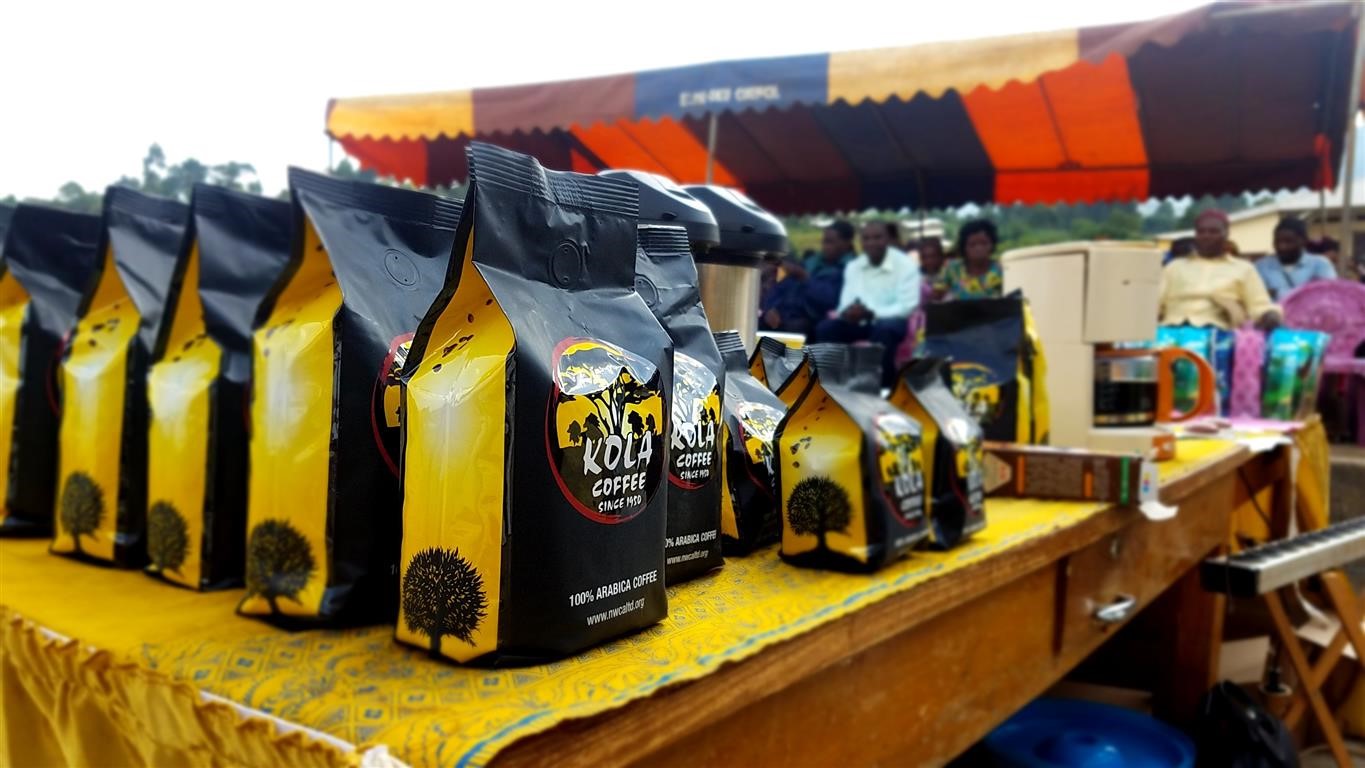
This leads naturally to the question of local transformation.
The argument is sometimes presented too simply: Africa exports raw materials and should therefore stop exporting them and process everything locally.
Economic strategy requires more nuance.
Raw commodity exports matter. They generate foreign exchange, support producers, sustain businesses and connect Cameroon to global markets.
The objective should not be to replace one model entirely with another.
The better question is: How much more value can we competitively retain within Cameroon?
In some value chains, our advantage may remain in efficient production and export of high-quality raw commodities. In others, primary processing may create additional value. Some products may support specialty markets, further transformation or internationally competitive consumer brands.
These strategies can coexist.
Cameroon can export green coffee while developing stronger Cameroonian coffee brands.
We can remain an important cocoa producing origin while increasing local processing and developing higher value cocoa products.
The ambition should therefore not simply be to export less raw material.
It should be to create more economic activity around what we already produce.
Connecting the Pieces
Cameroon is not starting from zero. We have producers, cooperatives, exporters, processors and sector institutions. Work is underway around quality improvement, traceability, producer organization, certification, local transformation and access to changing international markets.
The next opportunity is increasingly about connecting these pieces more deliberately.
Production information should help anticipate supply.
Traceability should support commercial relationships.
Quality improvement should translate into market differentiation.
Financing should follow the agricultural calendar.
Processing capacity should be connected to reliable sourcing.
Exporters should build durable supply relationships, and international buyers should increasingly be engaged before the commodity reaches the point of shipment.
This is where agricultural policy, trade policy, investment, finance and private enterprise begin to meet.
And it is where a commodity sector begins becoming an export economy.
Final Thoughts
Natural endowment creates possibility.
Competitive advantage has to be built.
The world wanting what Cameroon produces is a very good starting point. The next challenge is ensuring that when demand arrives, we can respond with the required volume, quality, consistency and reliability. That requires more than producing more.
It requires an ecosystem capable of converting production into organized supply, supply into successful trade, and successful trade into greater value for the economy.
The objective is not to escape international commodity markets. Those markets provide opportunities for our producers and businesses and will remain important to Cameroon's economic future.
The objective is to participate in them from an increasingly stronger position.
That means understanding what the market wants, preparing before demand arrives, differentiating where we have an advantage, transforming where it makes economic sense, and building the infrastructure that allows opportunity to be captured rather than merely observed.
Perhaps that is the next stage of the conversation about Cameroon's export economy.
Not simply: What do we produce that the world wants?
But: How do we organize what we produce so that Cameroon captures more of the value when the world comes looking for it?
Prepared under the direction of Etonde Martin-Ndoping, Executive Director, Cameroon–Türkiye Business Council.